
How to Select the Right Crawler Pin Puller for Your Fleet?
If you’re running a fleet of heavy machinery—whether it’s construction excavators, mining trucks, or farm tractors—you know track maintenance is make-or-break. A bad crawler pin puller isn’t just a hassle; it’s a money pit. I’ve seen teams waste days
fighting with undersized tools, watching equipment sit idle while corroded pins refuse to budge. Or worse, buying a “cheap deal” that breaks after three uses, leaving them scrambling for replacements. Choosing the right one isn’t about picking the shiniest model—it’s about matching it to how you actually work. Here’s what I tell fleet managers when they’re stuck, based on years of fixing and maintaining equipment in the field.

1. Stop Guessing on Size: Get a Heavy-Duty Track Pin Removal Machine That Fits Your Busiest Machines
Let’s cut to the chase: your biggest, hardest-working machine should dictate your choice. I once worked with a construction crew that bought a lightweight pin puller for their compact skid steers, only to realize their 30-ton bulldozer’s 55mm pins laughed it off. They ended up renting a heavy-duty model anyway—wasting cash and downtime.
Here’s the real-world rule: forget “one-size-fits-all.” Check the pin diameter and weight of your most-used equipment (not just the smallest ones). If your fleet’s workhorse is a mining truck with 60mm pins, get a heavy-duty crawler pin puller that handles at least 70mm—corrosion adds bulk, and you don’t want to max out the tool every time. Pull force matters too: aim for 10-20% more than you think you need. A 70-ton puller might seem overkill for 50-ton pins, but when a pin’s been sitting in mud and rust for six months, that extra oomph saves hours. And power source? Hydraulic is king for tough jobs—consistent, brute force. But if you’re out in remote fields with no electricity, pneumatic works—just make sure you have a reliable compressor. Don’t overspend on a monster tool for a fleet of small excavators, though; it’ll just take up trailer space and guzzle fuel for no reason.

2. Durability Beats Flash: Why an Industrial Track Pin Extractor Survives the Jobsite Grind
Fleet maintenance isn’t done in a clean workshop. It’s done in dust storms, muddy construction yards, and gravel pits where debris gets everywhere. I’ve seen generic pin pullers rust out after a single rainy season, or their hydraulic lines crack when hit by a stray rock. That’s why an industrial track pin extractor isn’t a luxury—it’s a necessity.
Look for the stuff that matters in the field: a steel frame thick enough to take a bump, seals on the hydraulic parts to keep out dirt, and components that won’t corrode after being left out overnight. Adaptability is another big one—most fleets have a mix of machines, not just one brand. I manage a fleet with three different excavator models, each with slightly different track pins. My go-to extractor has interchangeable jaws that swap out in 2 minutes—no need to haul three separate tools. Ergonomics count too: if your team is kneeling in tight spaces between tracks for hours, a compact design with a sturdy handlebar makes a huge difference. Fatigue leads to mistakes, and mistakes lead to damaged pins or worse. Generic tools skip these details because they’re built for “ideal” conditions—your jobsite isn’t ideal, so your tool shouldn’t be either.
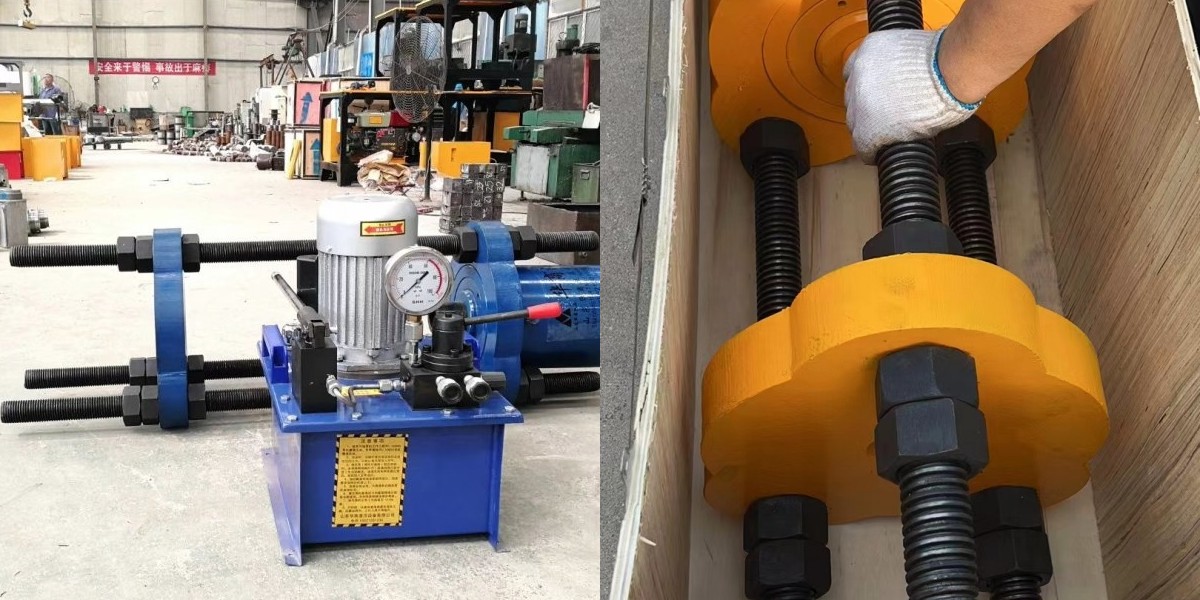
3. TCO Isn’t Just a Buzzword: A High-Efficiency Crawler Pin Remover Saves You Money Long-Term
I once had a client who bought one for \(500, only to replace it three times in a year. Between repairs, downtime, and lost productivity, they spent more than \)3,000—double what a quality model would have cost. That’s why total cost of ownership (TCO) isn’t just corporate jargon; it’s how you keep your fleet profitable.
A high-efficiency crawler pin remover pays for itself fast. The last one I recommended cuts pin extraction time from 45 minutes (with the old manual tool) to 12 seconds—my team can service three machines in the time it used to take one. Look for quick cycle times and automatic pressure control—you don’t want to burn out the tool by accident. After-sales support is make-or-break too. If your pin puller breaks in the middle of a big job, you can’t wait two weeks for parts from overseas. Choose a brand with local service centers and a warranty—1-3 years is standard for good models. I also factor in training: if your crew needs a PhD to operate it, you’ll waste time troubleshooting. The best tools are intuitive—clear controls, a manual that doesn’t read like a textbook, and maybe a quick demo video from the manufacturer.
Final Tip: Test It Before You Commit
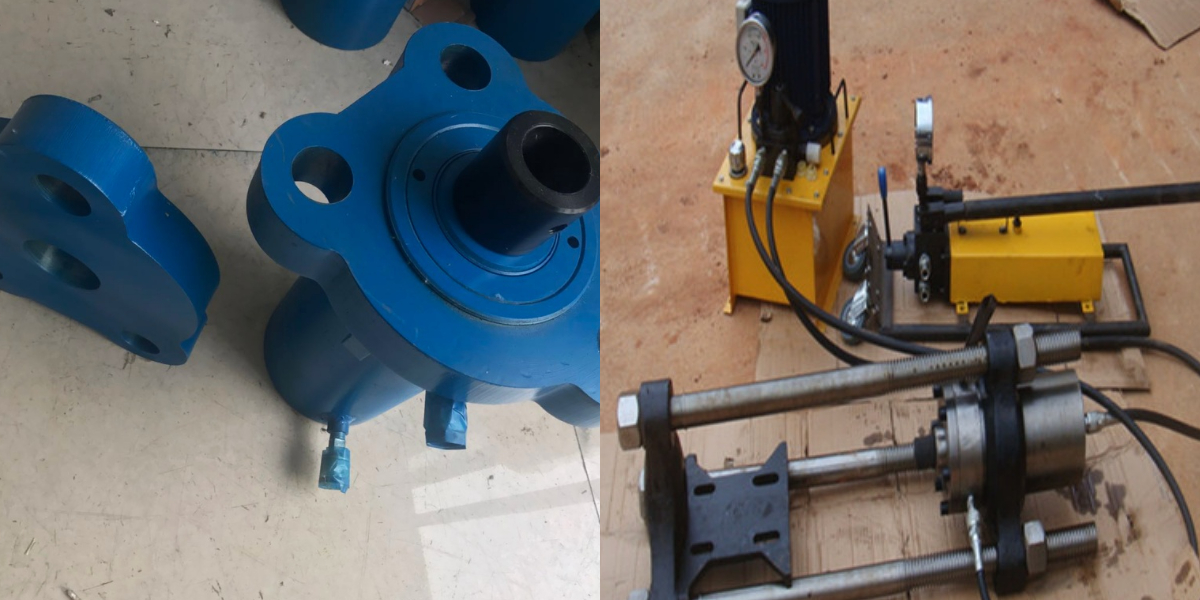
Never buy Portable Hydraulic Track Link Pin Press sight unseen. Call the manufacturer and ask for a demo with your actual machinery. I did this last year—we hooked the tool up to our oldest bulldozer, which has the most worn pins, and put it through its paces. It pulled three stubborn pins without breaking a sweat, so we knew it was right. Reputable brands won’t hesitate—they know their tool works, and they want you to see it.
At the end of the day, the right crawler pin puller isn’t about specs on a sheet—it’s about how it fits your fleet, your jobsite, and your team. Skip the AI-generated checklists and generic advice. Focus on what works in the real world: size that matches your hardest jobs, durability that survives your jobsite, and efficiency that saves you time and money. That’s how you pick a tool that doesn’t just do the job—it makes your whole operation run smoother.


