
How deep will a 2 ton mini excavator dig?
When you’re gearing up for a small construction job, landscaping, or even some backyard digging, a 2-ton mini excavator is usually your first pick—super compact and easy to maneuver, y’know? But before you rent or buy one, there’s one question you’re definitely gonna ask: How deep will a 2 ton excavator dig? Quick answer: Most 2-ton models say they can dig 1.8 to 2.5 meters (that’s 6 to 8.2 feet) on paper. But here’s the thing—this number isn’t set in stone. A bunch of stuff affects how deep you can actually dig on-site, and figuring out how to work around those things can make or break your project’s timeline.

1Theoretical vs. Actual Digging Depth: Let’s Get Real
First off, let’s get one thing straight: There’s a big difference between the “theoretical” digging depth (what the manufacturer prints on the spec sheet) and how deep you can actually dig when you’re out on the job. Manufacturer specs are based on perfect, ideal scenarios—flat ground, loose dirt, and the boom and arm fully stretched out. But honestly? Most jobs don’t have that luxury. Knowing this gap upfront will save you a lot of frustration and help you set realistic expectations.

2 Why You’ll Almost Never Hit the Theoretical Depth
Realistically, you’ll get 80-90% of the theoretical depth at best. Here’s what’s holding you back:
Soil Conditions: Hard, compacted dirt, rocks, or clay will stop your bucket cold. Loose soil (sand or topsoil) gets you closer to that theoretical depth, but you gotta watch for cave-ins—those might force you to dig shallower to keep everyone safe.
Machine Stability: To dig deep safely, the excavator needs to be on level ground. If the terrain’s sloped, you’ll have to dig shallower to avoid tipping—that’s non-negotiable, safety first.

3. Simple Tips to Get the Most Digging Depth from Your 2-Ton Mini digger
If you need to dig as deep as possible with your 2-ton mini excavator, these simple tips will help—no fancy skills required, just common sense:
3.1 Pick the Right Attachment
The standard bucket works for general digging, but the right attachment can make a huge difference in how deep you go:
Narrow Bucket: For hard soil or tight trenches, a narrow bucket (200-300mm wide) cuts down on resistance, making it easier to dig deeper.
Breaker Attachment: Use a breaker to loosen compacted soil or break up rocks first. This lets the standard bucket dig deeper with less effort—save yourself the hassle.
Auger Attachment: If you’re digging holes (fence posts, trees), an auger digs deeper than a standard bucket in most soils—total game-changer for hole jobs.
3.2 Position the Mini crawler excavator Machine Correctly
Proper positioning is key to digging deep safely—don’t skip this simple step:
Level Ground: Always park on level ground before digging. Use the machine’s level indicator to make sure it’s balanced—this prevents tipping and lets you fully extend the boom and arm.
Face the Trench: Point the bucket straight at the trench. This lets you dig straight and deep, and it takes strain off the hydraulic system—saves you from expensive repairs later.
Use Outriggers (If You Have Them): Some 2-ton models have optional outriggers for extra stability. Extend them—lets you dig deeper without tipping risk.
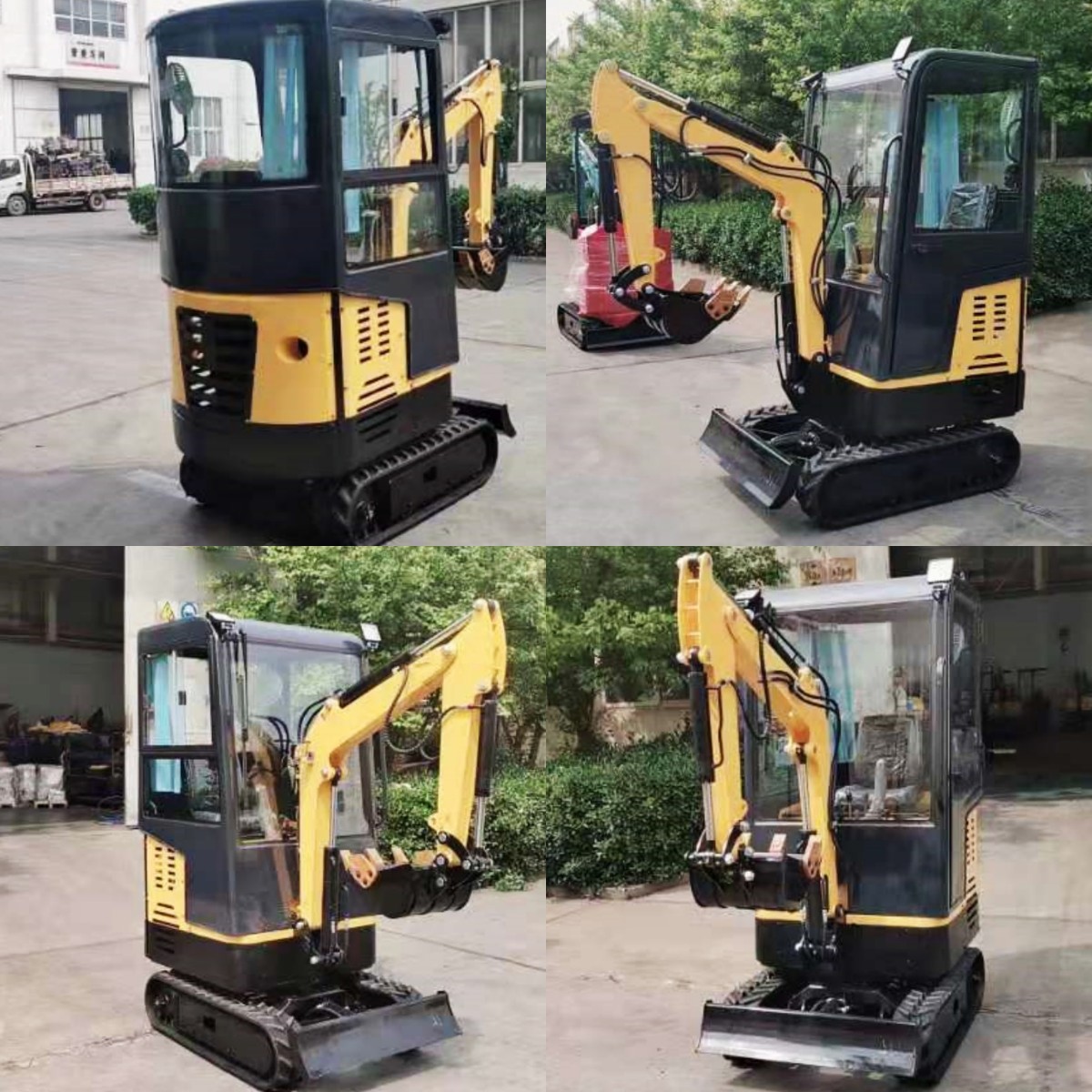
At the end of the day, getting the most out of your 2-ton mini hydraulic excavator excavator comes down to knowing its limits, picking the right attachment, positioning it correctly, and keeping it maintained. Follow these tips, and you’ll dig deeper, work faster, and finish your project safely.


