
Boring Welding Machine: Core Functions & Industrial Applications
On any industrial manufacturing or equipment maintenance site, how quickly you can handle inner hole processing and welding basically makes or breaks your production schedule. That’s where boring welding machines come in—they combine boring and welding into one unit, acting like a “productivity booster” across lots of industries. In this article, we’ll break down what these machines actually do and where they’re used in real-world work. It’ll help you see why so many manufacturers and maintenance teams around the world rely on them.
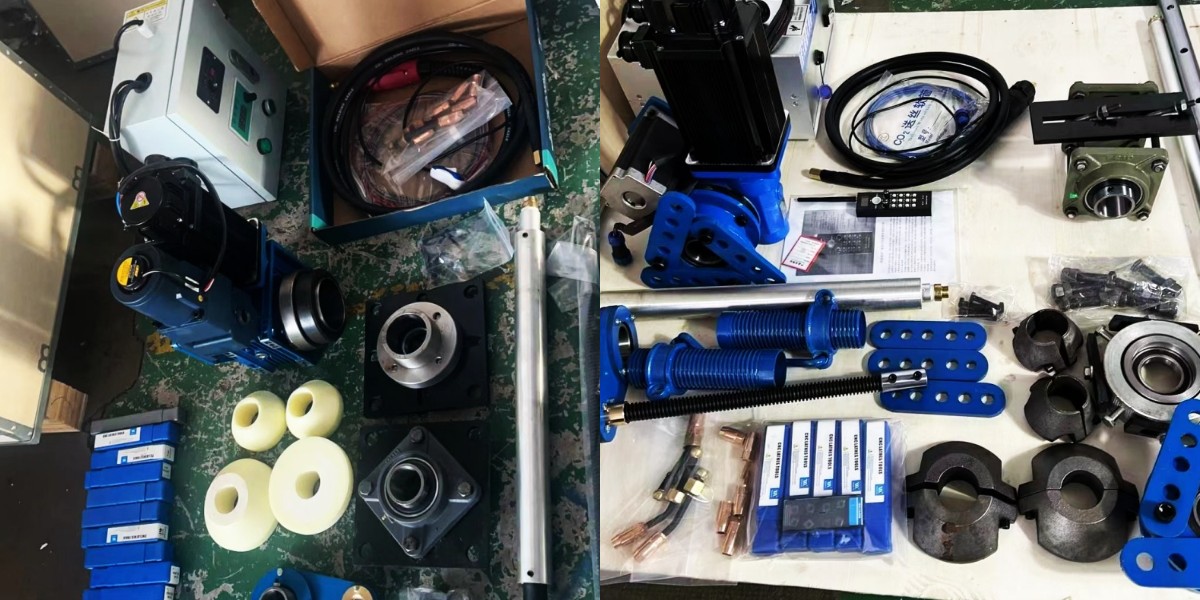
1. What Can a Boring Welding Machine Do? Core Functions Unveiled
The biggest plus of a boring welding machine is that it handles both boring and welding in one go. You don’t have to move workpieces between different machines, which saves hassle and cuts down on clamping errors. Here’s what they can actually do on the job:
Precision boring: Whether you’re fixing worn-out inner holes (like the pin holes on excavators or bearing holes in engines) or working on new parts, this machine nails high-precision boring—tolerance as tight as ±0.005mm. That’s non-negotiable for making sure parts fit together perfectly later.
High-quality welding: They come with solid welding systems , so you can weld carbon steel, alloy steel, stainless steel, and more. The welds are consistent and strong enough to handle heavy loads.
Seamless processing: Boring and welding flow right into each other. For example, if an excavator arm’s inner hole is worn, you can bore it back to shape first, then immediately weld a reinforcement plate—no downtime between steps, which really speeds things up.
Portable for on-site work: Smaller, portable models are game-changers for fixing big equipment that’s hard to take apart. Think ship hulls, bridge supports, or mining machines—you can bring the machine to the equipment, not the other way around.

2. Key Industrial Applications of Boring Welding Machines
Thanks to their versatility, portable moving boring machine pop up in all kinds of industrial jobs. Here are the most common spots you’ll find them:
Engineering machinery maintenance: They’re used to fix excavator arms, loader pin holes, crane rotary supports, and more. The portable ones are a lifesaver on construction sites—you can repair equipment right there, so you don’t lose valuable working time.
Pipeline work: For pipeline flanges, pipe joints, and other parts, boring welding machines handle both shaping and welding. This keeps pipelines tight and strong—critical for oil, gas, and water supply projects where leaks can be disastrous.
Mining equipment repair: Mines are tough environments, but these machines hold up. They fix mine truck axles, crusher inner holes, and other parts that take a beating—their durability makes them perfect for dusty, rugged mine sites.
Shipbuilding: Ship hull parts, engine brackets, and other marine components need high strength. Boring welding machines handle the processing and welding here, making sure parts can stand up to the harsh conditions at sea.
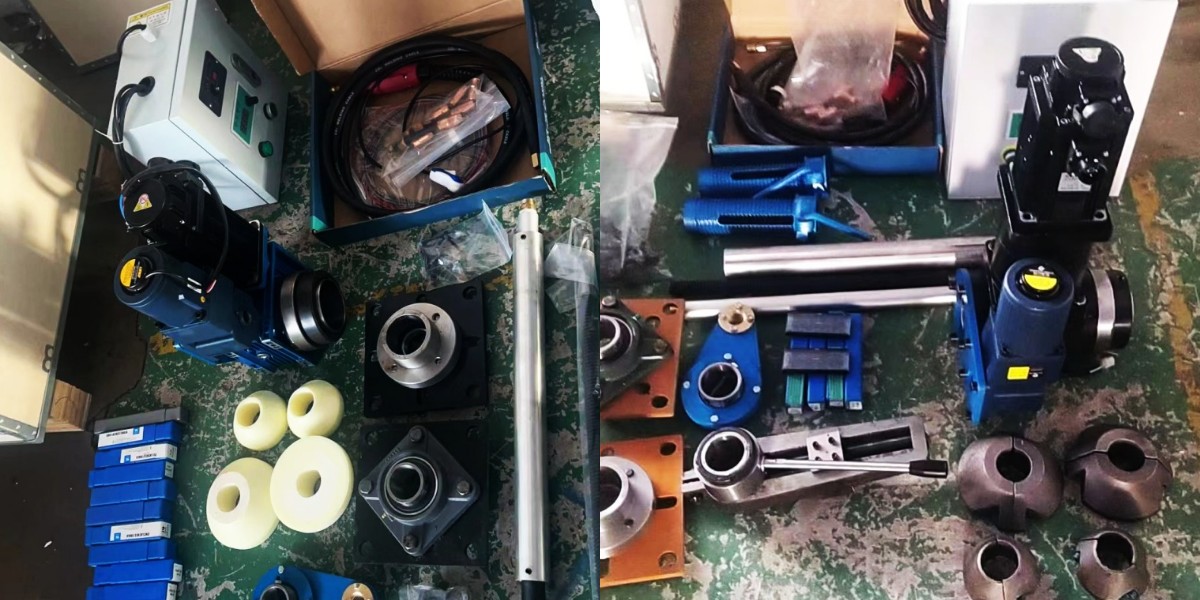
3. Why Choose a Professional Boring Welding Machine Manufacturer?
A good excavator boring welding machine means consistent precision and a long lifespan. When you’re buying one, stick with manufacturers that have real experience, full certifications (like CE and ISO), and reliable after-sales support. We offer custom solutions for businesses worldwide—portable, desktop, or large-scale models—all tailored to what you actually need for your work.Reach out to us today, and we’ll send you the latest product catalog and a free quote—no strings attached. Whether you’re in equipment maintenance or industrial production, we’ve got the professional tech support and quality gear you need.


