
What are the safety precautions for operating a track pin press?
Let me cut to the chase—if you’re running a track pin press, you’re dealing with serious force. These things aren’t toys; they’re pushing tons of metal to get pins in or out, and one tiny mistake can turn a workday into a trip to the ER. I’ve been around this gear for years, fixed my share of messed-up presses, and seen guys get hurt because they thought “it’ll be fine.” Below’s the stuff I actually tell new guys—not some fancy checklist, just the real, no-BS stuff that keeps you alive and the press running.

1. Pre-Start Checks: Don’t Skip These, Ever
I can’t stress this enough: never hit the power or hydraulic lever until you’ve walked the machine. I’ve walked up to job sites and seen someone fire it up after a 10-second glance—total garbage move. This 2-minute check is the difference between a safe day and a disaster.
First, the hydraulic track press frame. Run your hand over every inch. Feel for cracks, dents, or welds that are thin as paper. A tiny crack in the frame? Under pressure, it’ll split open—metal flying like shrapnel. Next, the ram and dies. If the dies are worn, bent, or have rough edges (burrs), they’ll mess up alignment. The pin could slip sideways, or worse, shoot out. I always wipe down the dies and track link with a rag—dirt, grease, rust stuck in there causes binding. That built-up pressure doesn’t disappear; it hits whatever’s in front of it.
And don’t even think about fudging the rated capacity. Every press has a sticker with its max force (tons, usually). If the pin’s too big, or you grab a pipe to extend the handle for more leverage? You’re begging for the press to break. I saw a guy do that once—ram bent so bad he had to replace the whole machine. For hydraulic presses, check hoses too. Tight, no leaks, no cracks. A hose blowing under pressure is like a whip; it’ll slice skin easy. Do this pre-check, and you avoid 90% of headaches.

2. Gear & Space: This Isn’t a Suggestion
I’ve had guys show up to work in flip-flops and a t-shirt, thinking “I know what I’m doing.” Spare me. If you’re operating this portable hydraulic track press machine without the right gear, you’re playing with fire.
First, safety glasses—ANSI rated, not those cheap dollar store ones. Metal shavings fly when you press a pin; one in the eye and you’re done seeing straight. Cut-resistant gloves are a must, too. The track link and pins have sharp edges, and regular gloves tear like tissue paper. But here’s a rule I enforce: no loose gloves, no rings, no bracelets. A buddy of mine wore a ring once, got caught on the handle—pulled his finger so hard he needed stitches. Keep your hands covered and clear of junk.
Your workspace is just as important. Clear the area—no tools, rags, coffee cups lying around. Trip over a wrench mid-press, and you’ll mess up. Keep the lights on; if you can’t see the pin aligning, you can’t do it right. I also make sure there’s at least three feet of space around the press—no coworkers standing close. If the pin shoots out, you don’t want anyone in the line of fire. And if you’re tired, distracted, or had a drink? Don’t touch it. Fatigue kills focus, and focus is the only thing between you and an accident. I rushed a job once after a double shift, jammed a pin, and wasted half a day fixing it. Never again.

3. Running It: Slow Down, Rushing Is Stupid
New operators always want to hurry. “Let’s get this done fast,” they say. Bad move. This machine doesn’t care about your timeline—rushing is how you break stuff and hurt yourself.
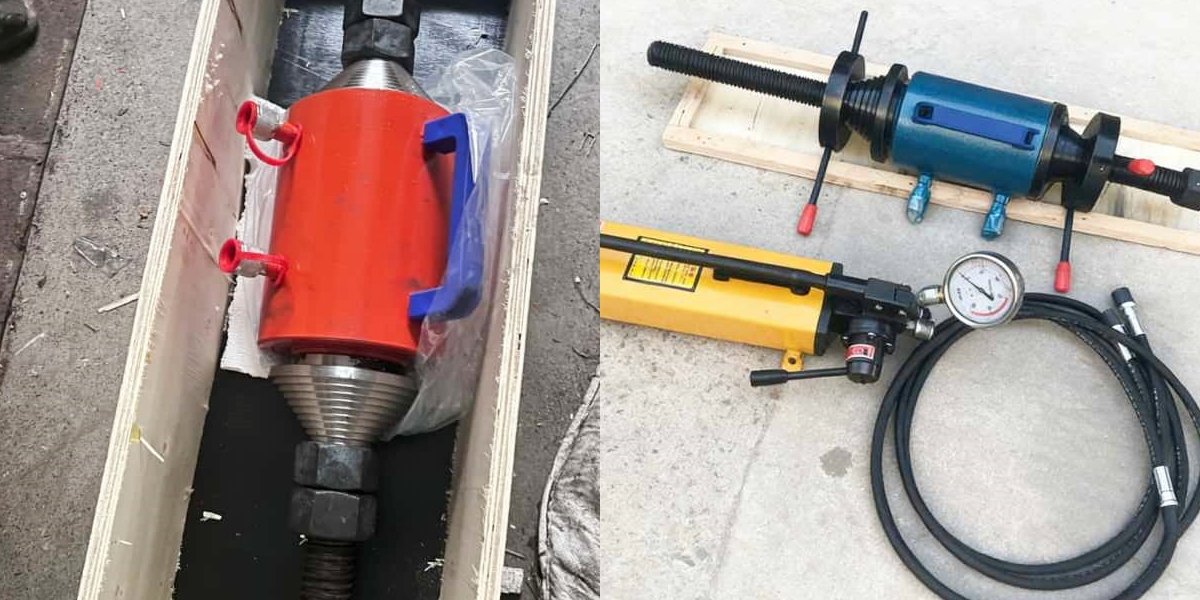
First, align the pin perfectly. Use the right die for the pin size—too big, too small, and it’ll slip. I double-check alignment three times before pressing. A minute here saves an hour later. If it’s a hydraulic press, pump the lever slow. Watch the gauge—don’t go over the rated pressure. If it feels stuck, stop. Don’t keep pumping. I did that once with a stuck pin—ram bent, cost me $500. If it’s not moving, back off, check for dirt or binding, then try again. And never reach your hand into the work area while it’s under load. Use a push rod or a screwdriver—your hand doesn’t belong near that pressure.When you’re done, let the pressure out slow. Wait for the ram to retract all the way before touching the track assembly. Then clean it up—wipe off grease, metal shavings, lube the moving parts. I do this every time, and my press is 10 years old with no major issues. Store it in a dry place, too—rust eats up moving parts faster than anything.
Wrapping It Up
Safety with a track pin press isn’t rocket science. It’s just paying attention, doing the small stuff, and respecting the machine. It’s not about being a hero or rushing to finish; it’s about going home the same day you showed up. I learned these lessons the hard way—seen guys get hurt, fixed broken presses, and I don’t want you to go through that. Follow this stuff, and you’ll be safe. If you’ve got your own tricks, hit me up in the comments—we’re all here to not get hurt.


