
Local Verification in Nigeria: On-site Test of Small Excavator
Nigeria’s construction sector has been picking up steam lately, fueled by urban renewal projects, rural infrastructure upgrades, and new industrial zone developments. Small excavators are everywhere on local job sites—their compact size and flexibility make them perfect for tight spaces common in Nigerian cities and towns. But getting these machines legally into the market isn’t easy: all imported construction gear must clear strict local verification, which includes on-site testing to ensure they hold up in Nigeria’s tough working conditions, meet safety standards, and don’t harm the environment. Below, we walk through a real-world example of how a 5-ton small excavator passed on-site testing and local verification in Lagos, Nigeria. This firsthand account is designed to help manufacturers and importers navigate the process and tap into Nigeria’s growing market.

1. Project Background: Demand for Small Excavators and Local Verification Requirements
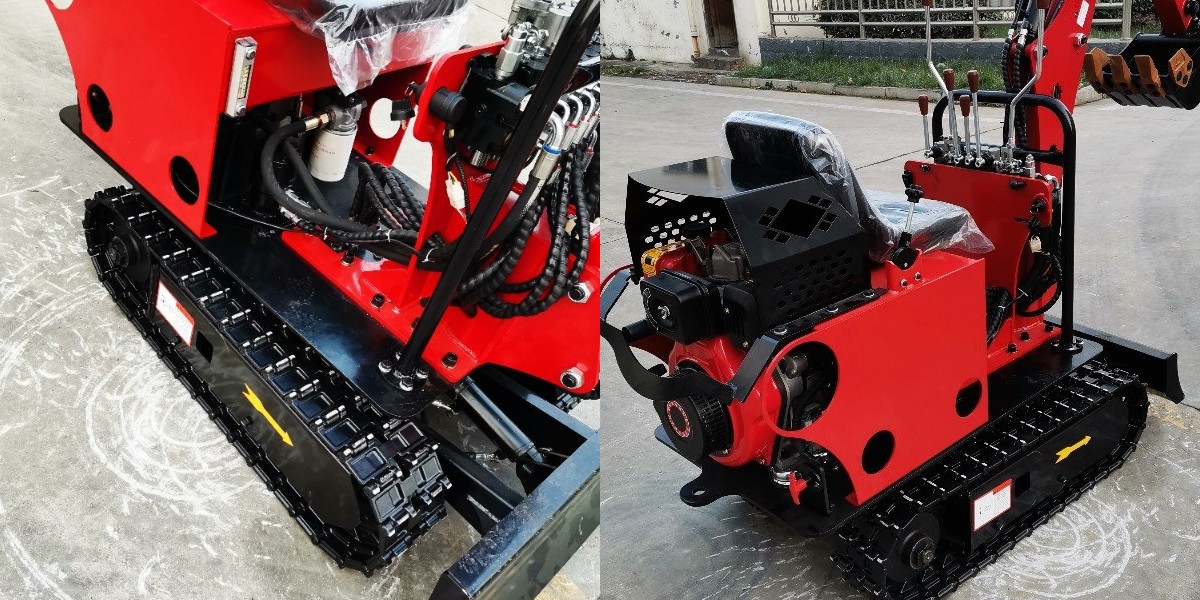
Our client, a Lagos-based construction equipment distributor, teamed up with us to bring in a batch of 5-ton mini excavators. These machines were designed specifically for Nigeria’s urban road repairs and low-rise residential builds. The verification checklist focused on several non-negotiable areas. First and foremost, how the engine performed in high heat. Then fuel efficiency—critical for local users, since fuel costs in Nigeria are steep. Safety features were also top of mind: things like emergency stop buttons and operator protection. We also had to prove the excavators could handle Lagos’ common soil types (sandy and clayey). Finally, the machines needed to meet local noise and emission rules.
2. Pre-Test Preparation: Adapting to Local Conditions and Document Sorting
To make sure the on-site test went smoothly, we put in a lot of prep work—focused mainly on tweaking the equipment for local conditions and getting all the paperwork in order.

3. On-site Test Process: Rigorous Verification Under Real Working Conditions
3.1 Static Inspection
Day one was all about static inspections. The inspectors went through the excavators with a fine-tooth comb: they cross-checked the serial numbers, models, and technical specs against our paperwork to make sure everything matched. They also tested safety parts—emergency stop buttons, safety belts, protective covers—to ensure they worked properly. Finally, they checked the exterior and structural welds for defects, making sure the machines were built to last.
3.2 Dynamic Operation Test
The dynamic tests were all about seeing how the hydraulic excavators performed in real-world scenarios. We focused on three key areas:
First, the high-temperature endurance test. We ran the excavator nonstop for 6 hours on a 36℃ day, cycling through digging, lifting, and unloading. We monitored the engine temperature the whole time, and the upgraded cooling system kept it within the safe range (85-95℃) with no overheating or loss of power—exactly what the inspectors wanted to see.
Next, the soil adaptability test. The site had both sandy and clayey soil—common in Lagos. The excavator handled the sandy soil easily, with no track slippage. In the clayey areas, the modified bucket design prevented soil from sticking, which kept digging efficient. The machine’s maximum digging depth (3.5 meters) and digging force (45kN) also met the local construction needs.
3.3 Safety and Noise Test
We tested the emergency stop three times total, and it killed power to the machine instantly each time, no fail at all. Operator seat noise clocked in at 78 dB, well below the local 85 dB limit here. At 10 meters away, that number dropped to 65 dB—fully meets the environmental standards for building work in urban and residential areas.

Conclusion
ConclusionIf you’re selling small crawler excavators in Nigeria, local verification and on-site testing are non-negotiable—you can’t skip either. Adapt your machines to local working conditions, get every piece of paperwork fully prepared in advance, and tackle the authorities’ core requirements, most critically stable after-sales support. Do these well, and verification will go smoothly, letting you gain a firm foothold in Nigeria’s fast-growing construction equipment market. This isn’t just a success story; it’s a practical playbook that works for any industry player trying to get a foot in the door of Nigeria’s construction equipment sector.